
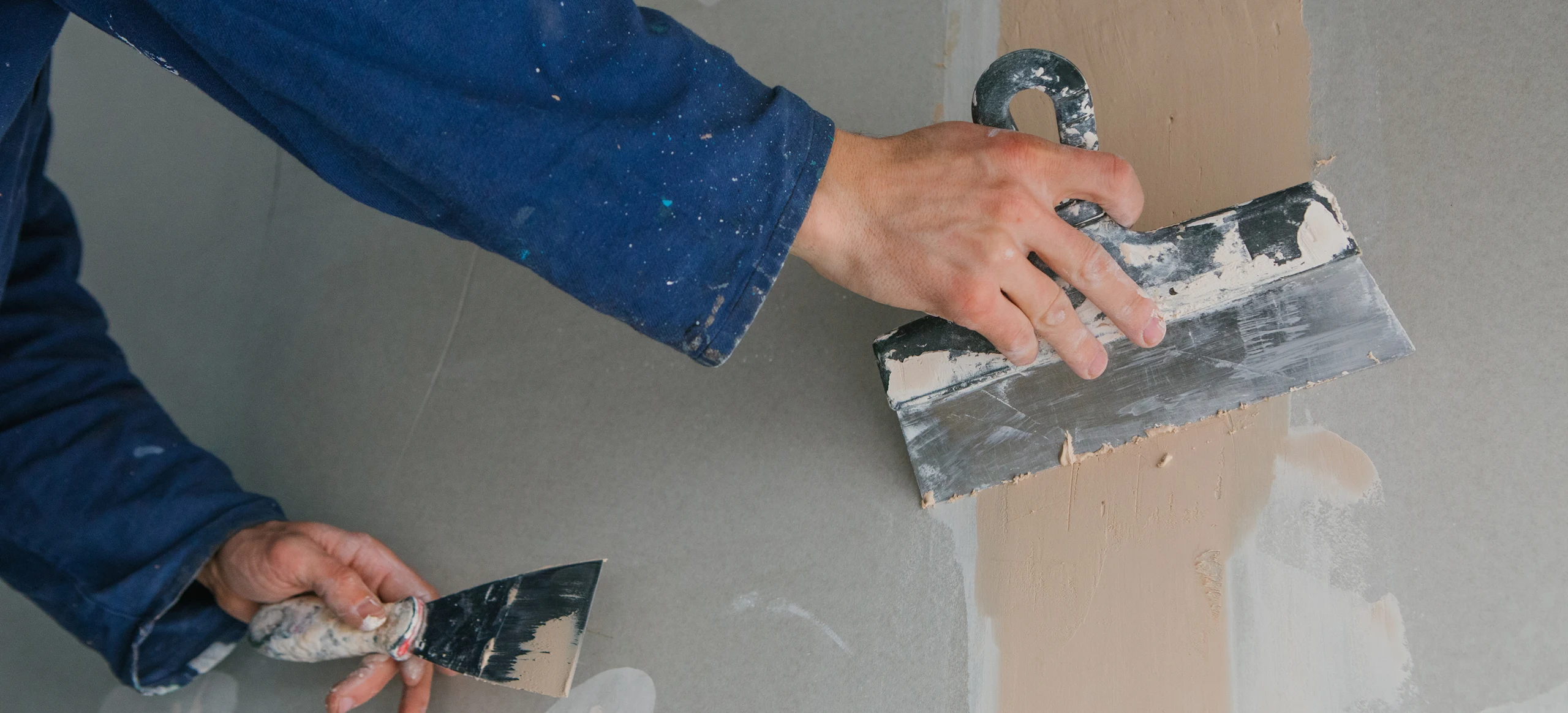
Bellevue, and by extension, Washington state, is well-known for its wet marine climate and heavy rainy seasons. This means Bellevue commercial property managers and facilities aggregators face significant moisture-related concerns that impact buildings. Property owners are always on the lookout for a good drywall repair service in Bellevue, WA, especially during the winter rainy season.
What Is Drywall Repair?
Since drywall is a construction material used to create interior walls and ceilings in offices, commercial buildings, room partitions, and managed facilities, it is important to check whether it is in an optimal condition. A good drywall panel consists of two things: a gypsum core, which provides fire resistance and stability, and a paper facing, which provides a smooth surface for painting or finishing. If you notice any holes or cracks, or if the material’s core thickness is compromised, an immediate repair or replacement is required.
A drywall repair is the process of restoring damaged drywall surfaces on walls and ceilings to regain their original functionality, strength, and appearance. Professionals mostly use joint compounds to fix minor cracks and holes. However, if issues like water leakage and mold infestation compromise the drywall’s appearance and functionality, a general repair would not be sufficient. The entire ceiling or wall will need to be inspected before replacing the damaged drywall. To address this situation, you need drywall repair in Bellevue to fix your ceiling or walls.
12 Signs That Your Property Needs A Professional Drywall Patch Repair Bellevue, WA
When searching for the best commercial properties, tenants or buyers pay attention to the property’s structure, aesthetics, and functionality. If the property’s drywall is in poor condition, one of the main factors behind buying a property is compromised. However, noticing minor issues or underlying drywall problems can be difficult. Here are some signs that may help you recognize when to turn to professional drywall repair services in Bellevue.
3. Small Holes, Dents, And Dings On The Drywall
These holes, which are mostly caused by nails and screws, moving furniture, swinging doors, or accidental bumps, can leave noticeable holes across the wall and create an uneven, unattractive appearance. Dents and dings may become more noticeable after painting, especially under natural light. Nevertheless, these types of damage are quite common and require straightforward, easy repairs. These are repaired by first cleaning the damaged areas, then applying joint compound to fill the holes, and finally sanding the surface until it’s smooth and even before painting it to match the surrounding wall.
2. Visible Cracks On Ceilings And Walls
Cracks develop most likely due to foundation settling, temperature fluctuations, improper installation, or humidity changes. Hairline cracks are usually not harmful. But a wider crack may indicate underlying structural problems that require a thorough evaluation by professional drywall contractors. If the crack is large, repair usually begins by slightly widening it to remove any loose material and create a stable surface for repair. Then a tape is applied to that area, followed by joint compound applied over the tape, which is sanded after drying.
3. Water Stains And Signs Of Moisture Damage
If water stains, such as faint yellowish or rust-colored ones, are slowly spreading across the drywall surface, then it might be water-damaged drywall. Roof leaks, burst pipes, overflowing appliances, clogged gutters, or prolonged exposure to high humidity usually cause it. Water damage can heavily weaken the drywall and may lead to mold development if ignored. Eliminating the main cause of the water-damaged wall is the first step towards repairing it, followed by installing new drywall.
4. Loose Or Popped Nails On Drywall
This usually occurs in older buildings that experience natural settling. Nail pops occur when fasteners, with time, work their way out of the drywall. These create small raised bumps on the wall or ceiling, thus making the otherwise smooth surface look uneven. Even though nail pops are nothing to worry about, if left unaddressed, they can lead to cracking around affected areas. Repairing them involves replacing the old fasteners with newer ones. Any indentation left is filled with joint compound, followed by thorough sanding.
5. Bubbling, Peeling, Or Damaged Drywall Tape
The tape covering the joints between the drywall panels begins to peel, bubble, crack, or separate from the ceiling or wall. During drywall installation, this tape is applied over the seams to create a smooth surface between adjacent drywall sheets. However, over time, this tape can loosen and deteriorate. If left unattended, this can lead to cracks developing. To repair this, the damaged tape must first be removed. Then, the affected area is cleaned, a fresh strip of drywall tape is applied, and lastly, multiple thin coats of joint compound are applied before sanding. A proper seam and joint repair prevents future cracking, peeling, and separation.
6. Sagging Or Bowing Drywall
Sections of the drywall begin to sag, bulge, or bow away from the wall or ceiling, creating an uneven surface. This is commonly caused by prolonged moisture exposure, improper installation, aging materials, or inadequate support behind the drywall. Sagging drywall not only affects the appearance of the room but can also become a safety concern if ignored. Repairing this type of damage usually involves identifying and resolving the underlying cause first. Depending on the extent of the damage, the affected drywall section may need to be reinforced or replaced, followed by taping, applying joint compound, sanding, and painting for a seamless finish.
7. Holes Or Damage Caused By Accidental Impact
Accidental impacts from furniture, doorknobs, shelving equipment, or everyday operational wear can leave medium to large holes in the drywall. Unlike small dents and dings, these larger openings weaken the wall and expose the interior structure. If left unrepaired, they may continue to expand or make the surrounding drywall more vulnerable to further damage. Repairing larger holes generally involves cutting out the damaged section, installing a drywall patch, securing it in place, applying drywall tape and joint compound, and sanding the repaired area until it blends smoothly with the existing wall.
8. Uneven Or Wavy Wall Surfaces
Walls that appear uneven, wavy, or have visible depressions may indicate poor previous repairs, improper drywall installation, or hidden moisture damage. These imperfections often become more noticeable after painting or when exposed to direct sunlight. Besides affecting the overall appearance of the room, uneven drywall can make future painting or decorating more difficult. Repairing these surfaces involves removing any loose material, leveling the affected area with multiple coats of joint compound, sanding between applications, and finishing with paint to restore a smooth, even surface.
9. Mold Growth On The Drywall Surface
Dark spots, discoloration, or visible mold growth on drywall are often signs of ongoing moisture problems behind the wall. Mold commonly develops due to roof leaks, plumbing issues, poor ventilation, or excessive humidity. Besides damaging the drywall, mold can also affect indoor air quality if left untreated. Repairing mold-damaged drywall begins with identifying and eliminating the source of moisture. The affected drywall is then removed if necessary, the surrounding area is properly treated, and new drywall is installed, finished, and painted to restore the wall safely.
10. Recurring Cracks After Previous Repairs
If cracks continue to reappear even after being patched and painted, it may indicate that the original repair did not address the underlying cause. Recurring cracks are often associated with building movement, foundation settling, temperature changes, or improper drywall installation. Simply covering the crack with paint usually provides only a temporary solution. A proper repair involves removing any loose material, reinforcing the area with drywall tape, applying multiple layers of joint compound, and sanding the surface smooth before repainting. Addressing the root cause helps prevent the crack from returning.
11. Corners And Edges Beginning To Crumble
Drywall corners and edges are especially vulnerable to damage from foot traffic, moving furniture, and everyday wear and tear. Over time, the protective corner bead can loosen, dent, or become exposed, leaving the corners looking chipped and uneven. Damaged corners can worsen if ignored and may eventually affect the stability of the surrounding drywall. Repairing this type of damage typically involves removing any loose material, securing or replacing the corner bead if necessary, applying joint compound over the repair, and sanding the area until it is smooth and ready for painting.
12. Textured Walls Showing Patchy Or Damaged Areas
Textured drywall surfaces can develop patchy sections, damaged spots, or areas where the texture has worn away over time. These imperfections often become noticeable after repairs, repainting, or exposure to moisture and heavy use. Matching the existing texture requires more than simply filling the damaged area, as an uneven texture can make the repair stand out even after painting. Professional repair usually involves patching the damaged drywall, applying a matching texture to blend with the surrounding surface, allowing it to dry completely, and then painting the area for a consistent appearance.
If your Bellevue property shows any of these signs in its ceilings or walls, opting for drywall restoration can help you avoid costly future replacements. Seeking professional help will not only fix small, noticeable issues but also help identify any growing problems that might cause harm in the future.
How Can You Prevent Future Drywall Damage?.
1. Moisture Control
One of the most effective techniques for preventing drywall damage is to control moisture levels throughout the property. In most drywall damage cases, water is the main culprit. It causes the drywall to deteriorate by causing stains on the walls and ceilings, soft spots, peeling paint, sagging surfaces, and, worst of all, mold growth. Even a seemingly minor plumbing leak, if left unnoticed, can gradually lead to drywall damage.
Moreover, ceilings require special attention since they are vulnerable to both moisture damage and structural stress. So, by addressing moisture-related concerns early, property owners can significantly reduce the likelihood of needing extensive and expensive ceiling drywall repair service in the future.
2. Ensuring Proper Building Maintenance
A well-maintained building is another key factor in protecting drywall from any future damage. Structural settling is a common and natural process in many buildings. However, excessive movements can ultimately lead to recurring drywall cracks and seam failures. This may cause damage to the property’s foundation. To ensure the foundation remains strong for a long time, property owners should pay attention to common signs of foundation issues, such as uneven floors, sticking doors, and, most importantly, widening cracks in walls. Addressing structural issues early can prevent repeated drywall damage and reduce repair costs.
For commercial property maintenance, check out our blog on “The Commercial Building Maintenance Checklist for Seattle Property Managers” to learn how to create a checklist for commercial property contractors so that the maintenance work can run smoothly.
3. Opting For High-Quality Drywall
By using high-quality drywall materials during construction and repair, many future drywall problems can be prevented. Bathrooms, kitchens, and laundry areas are especially prone to humidity exposure. These areas benefit from moisture-resistant drywall. Apart from these, quality and reliable installation, taping, and finishing also contribute significantly to long-term drywall durability. And since commercial properties experience high foot traffic, frequent equipment movement, and other operational activities, the likelihood of damage to walls and ceilings is high in such buildings.
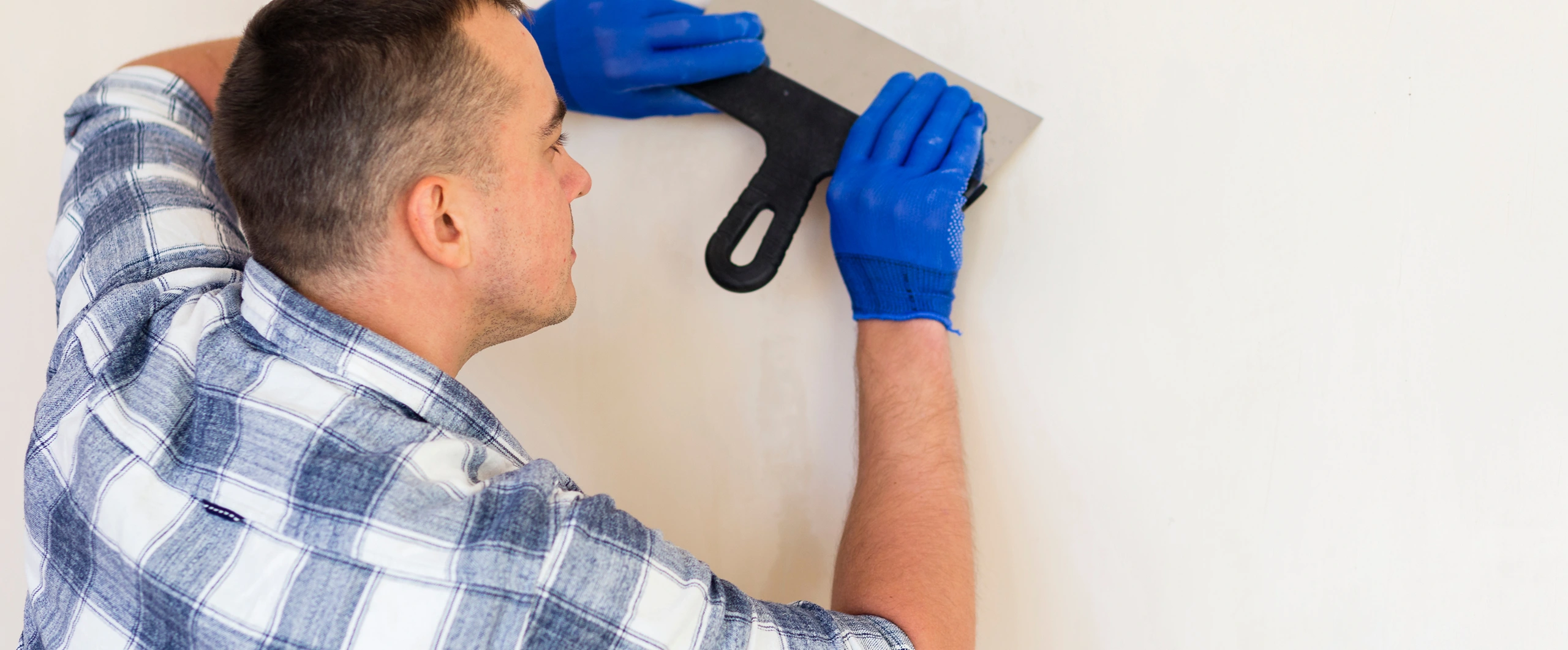
Why Are Professional Contractors Needed For Drywall Repairs?
Properties that are for commercial purposes need to be safe, durable, and visually appealing to potential buyers. This helps maintain a professional environment, especially in office buildings, educational institutions, and healthcare centers. While some property owners may consider hiring regular handymen to fix drywall issues, hiring a professional drywall contractor is always better for long-term results.
Some of the reasons why you should hire a professional:
- Professional contractors have the required skills and experience to deliver high-quality service, as they have proper installation techniques
- Some properties may have strict safety standards and regulations. Professionals understand these protocols and ensure that the drywall types and installation methods comply with all applicable rules
- Property owners cannot delay construction or renovation of buildings, as this might disrupt businesses, increase expenses, or make tenants unhappy with the postponement. Experienced drywall contractors work efficiently and complete the given work on schedule without sacrificing the quality of work
- Initially, hiring professionals may seem expensive. However, in the long term, it saves money because these professionals reduce the risk of future repairs, installation errors, or cracking of the wall joints
- Professional contractors can get all the work done, from planning, choosing the right materials, installing, and a thorough inspection, all by themselves. Therefore, you will not only save extra expenses but also get the property ready without any stress
To learn more about why businesses across the Puget Sound area choose professional drywall contractors, read this blog: “Why Seattle Businesses Choose Professional Drywall Contractors?”
How Much Does Professional Drywall Repair Cost?
In Bellevue, the total cost of a drywall repair ranges from $300 to $800 for small to medium work. The exact amount depends on the severity of the damage. For example, water-damaged ceilings would require $300 to $ 1,300 in repairs. The amount will increase to about $1,500 if any structural damage requires replacement. Additionally, if a repaint is required, the workers may add charges based on the number of coats needed, provided the same paint is available.
Moreover, many contractors add service fees even for minor issues that need a general repair. In case of emergency repairs, the work will typically cost more than a normal scheduled repair. It is important to remember that investing in drywall repairs is worthwhile, especially if you wish to protect the structural integrity of your walls and ceilings and prevent serious problems in the future. A reputable, high-quality service provider will charge more because of the quality of the materials and techniques they use to fix your specific issues.
How Often Should Drywall Be Inspected?
In most commercial buildings, a thorough drywall inspection should be done at least once a year, especially by professionals. This should be a part of routine property maintenance. Apart from this, certain areas prone to moisture and heavy structural movement may require more frequent inspections, even if there are no noticeable issues.
Moreover, after heavy rainstorms, if you notice a roof leak, appliance leaks, or flooding, moisture can get trapped behind the drywall, ultimately leading to mold growth and weakened wall structures. That’s why any issue, especially during or after the winter rainy season, should be inspected and repaired before an extensive repair or replacement becomes necessary.
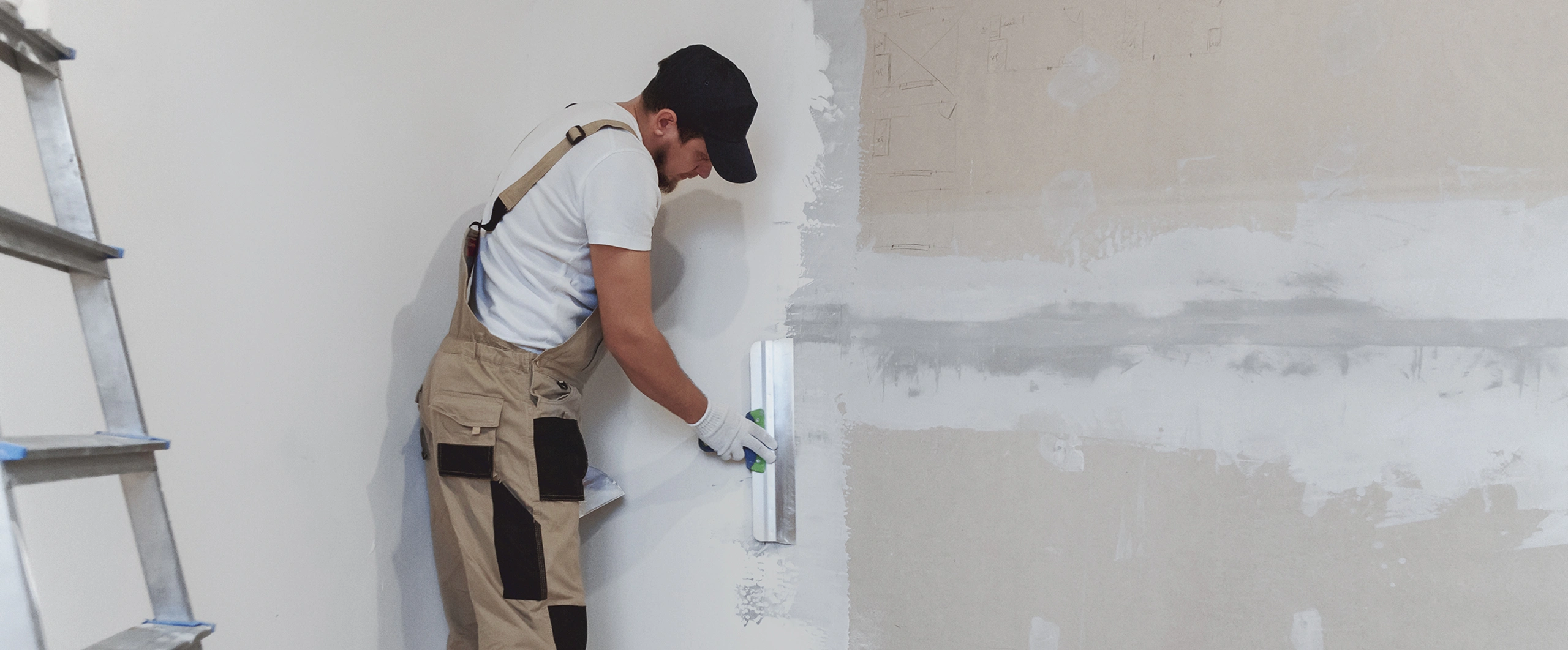
Why Is Everblue Handy The Best Choice For Any Drywall Repairs In Bellevue, WA?
Everblue Handy is a licensed commercial handyman and property maintenance company serving offices, managed facilities, and commercial properties across Seattle and the greater Puget Sound. Everblue offers drywall repair and patching, interior painting, handyman services, door repair and replacement, office repair services, renovation, and more across Bellevue and the Eastside.
1. Available After Hours and Weekends
While many contractors operate only during regular office hours, Everblue Handy is available for commercial projects after hours and on weekends. Such an arrangement enables drywall repair work to happen without disrupting the normal work schedules of employees, customers, or tenants.
2. Professional, Licensed, Bonded, and Insured Contractors
Everblue Handy is a licensed, bonded, and insured contractor. The company follows the employee and customer service requirements set by the Washington Department of Labor and Industries (L&I). They pay their employees with state-mandated insurance money. The company also has a surety bond that allows customers to claim it if the work remains unfinished or defects are detected. Everblue Handy only hires professionals dedicated to delivering quality drywall installation that meets all safety protocols and regulatory requirements of the state of Washington. The licensing demonstrates the firm’s professionalism, competence, and dedication across all its operations.
3. Honest and Upfront Pricing Policy
It is frustrating for any client to incur additional unexpected expenses when hiring a contractor. Since commercial drywall repair can sometimes be complex, many contractors may try to add extra charges. However, Everblue Handy ensures that there are no hidden costs in their billing by providing upfront pricing for all projects.
4. One Handyman for a Variety of Tasks
Instead of contacting several professionals or vendors for drywall repair, painting, door repair, flooring, furniture assembly, remodeling, and other maintenance services, Everblue Handy provides one person as a point of contact for all maintenance and repair operations for commercial property owners in Bellevue.
5. Wide Service Coverage in the Puget Sound Area
Apart from offering drywall repair services in Bellevue, the company also provides services in the surrounding areas in the Puget Sound Area. Such broad service coverage ensures that property managers and owners can have access to a reliable handyman service near them. Everblue Handy has proven itself to be a professional contractor trusted for their professionalism, transparent pricing, and quality customer service. They have the expertise to handle a wide range of issues, from simple drywall patching to ceiling repairs, ensuring all repairs match the surrounding wall. As a contractor operating for almost a decade, they offer durable, superior-quality repairs that meet their client’s specific requirements.
Conclusion
A property’s structure is as important as its appearance. Drywalls keep the ceiling and walls between rooms secured and well-structured. Therefore, regular inspection of your drywalls is important. The earlier you address your drywall issues with reliable drywall repair service providers, the more you can avoid costly damage repairs and ensure occupant safety.
You can keep the drywall in your building in good condition by controlling indoor humidity, promptly fixing any water leaks, maintaining gutters and roofs, and using moisture-resistant drywall in high-humidity areas like the bathroom and kitchen. These simple steps can help extend the lifespan of your ceilings and walls. Moreover, a quality drywall installation from a company like Everblue Handy will surely help prevent frequent repairs.