
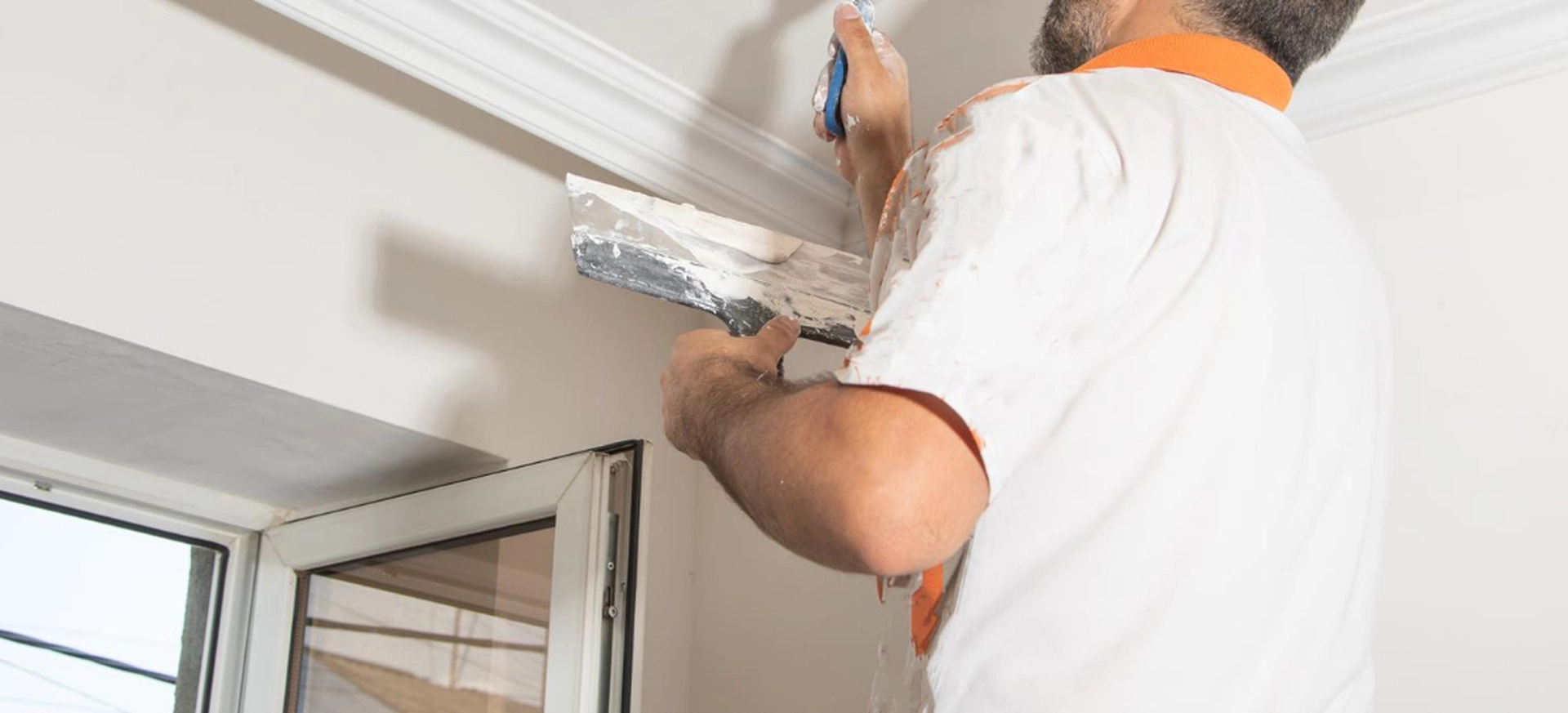
Drywall damage is a common issue for commercial building owners, facilities aggregators, and managed facilities. Whether it is a Seattle-specific issue with moist walls, soft sagging, musty odors, and buckling panels, or general issues like accidental dings and natural wear, drywall repairs are a much-needed part of your building maintenance.
Imagine a scenario where a drywall panel cracked over the weekend, or water from a pipe drip has left a soft, discoloured patch above a corridor ceiling, and staff arrives in a few hours. The repair can’t wait, but it also can’t disrupt the workday.
To avoid such situations, professional drywall contractors are needed to ensure regular maintenance checks on building drywalls. In commercial settings, drywall damage is never just cosmetic. It affects how a business looks to clients, whether a space is code-compliant, and in Seattle’s wet climate, whether a small problem becomes a costly one if left alone.
In this article, we will cover what professional drywall contractors actually are, what types of damage Seattle businesses deal with, why professional work is the right call, and how to choose the right contractor.
What Separates Professional Drywall Contractors From General Handymen?
A professional drywall contractor is a specialist trained to handle the full lifecycle of drywall work, from installation to high-end finishing. While a general handyman may handle basic repairs as part of a long list of tasks, drywall contractors bring focused expertise, proper licensing, and a deep understanding of materials, compliance, and finish quality.
In commercial settings, especially, this distinction matters. Poorly executed drywall work can lead to visible defects, failed inspections, or even code violations, particularly when fire-rated assemblies or permitted work are involved. Hiring a licensed, bonded, and insured drywall professional ensures not only better craftsmanship but also legal and financial protection for the property owner.
To learn more about how to prepare before hiring a handyman in Seattle, read this blog, “The Commercial Building Maintenance Checklist for Seattle Property Managers.”
Professional drywall contractors have these essential characteristics:
- Specialized expertise in drywall installation, repair, taping, mudding, finishing, and texture matching
- Holds a valid Washington State contractor’s license and is bonded and insured for client protection
- Understands and correctly applies drywall finish levels (Level 1–5) based on the space and visual requirements
- Selects the right drywall type for each application: standard, fire-rated (Type X), moisture-resistant, abuse-resistant, or acoustic boards
- Uses professional-grade tools such as banjo tapers, drywall lifts, and dustless sanding systems for efficiency and precision
- Ensures compliance with building codes, especially for fire-rated walls and permitted commercial work
- Reduces risk of costly rework, failed inspections, or liability exposure for property owners
What Problems Do Seattle Commercial Properties Face Most Often?
Seattle’s combination of cold and wet weather creates unique challenges for building maintenance, especially for drywalls. The region receives 39+ inches of rainfall annually and has a long wet season that lasts from October to March. These factors exacerbate building deterioration faster than in other parts of the country. The following are some of the most common drywall problems that Seattle commercial properties face:
- Water and moisture damage due to heavy rainfall can cause brown staining and molds
- High-traffic-related impact damage with regular use
- Tenant turnover damages like holes from TV mounts, wall anchors, shelving, and general wear
- Post-renovation cutouts and punch-list repairs
- Seam and crack damage from building movement
These problems pose a challenge to Seattle commercial property owners, who need to fix these issues before the new tenant comes in. These issues are beyond the scope of a regular handyman and require specialized and professional drywall repair.
Why Seattle Property Owners Choose Professional Drywall Contractors?
For occupied commercial properties, like offices, retail spaces, restaurants, and medical clinics, the bar for drywall work is higher than it is for a residential repair. Here’s what professional contractors bring to every job.
1. After-Hours And Weekend Flexibility
Drywall repair for property managers involves cutting, sanding, and compound application, all of which generate dust, noise, and smell. In an occupied commercial building, that disrupts productivity, pushes employees out of their workspace, and, in retail or hospitality settings, visibly impacts the customer experience. The solution is to schedule repairs before the staff arrives or after they leave, such as in the evenings, early mornings, or weekends.
A regular handyman will only work during the weekdays, treating the drywall repair job as a regular 9-5 job. But with professional drywall contractors, you can get the option to schedule repair work after-hours or on weekends. For property managers with occupied multi-tenant buildings, the ability to complete repairs without notifying tenants or disrupting operations is a significant advantage.
Everblue Handy’s professional drywall services were built around after-hours and weekend commercial repairs across Seattle and the Puget Sound, so the work gets done before the business day starts.
2. Expertise & Skills With Seamless Finish
Professional drywall contractors bring trade-specific knowledge that takes years to develop. Skills like precise cutting and hanging, correct compound consistency at each coat, proper drying sequencing, and expert sanding technique take effort and time.
The most visible test of an expert drywall contractor is their ability to match texture. Every space has a unique and existing texture, and a drywall repairer who can do the finish that looks like nothing happened or doesn’t stand out can maintain the existing texture of the space. This is particularly important in client-facing or high-traffic environments.
They also understand finish levels and apply the right one: Level 5 for polished offices with critical lighting, Level 4 for standard commercial walls, Level 3 for utility and back-of-house areas. Contrast that with DIY or an untrained handyman, with mismatched texture, visible seams, wavy surfaces, and over-sanded areas, and fixing them costs more than hiring the first time correctly.
3. Time Efficiency
Professional drywall contractors work faster and complete the repair work within the due time because they work with modern precision tools and are equipped with the right equipment, right skills, and often the right team, instead of a single person. Their time efficiency is the product of division of labor, where each person specializes in fixing a specific aspect of the drywall, leading to a more efficient work process.
For commercial clients, where time is money, this is one of the biggest selling points for professional drywall contractors. Moreover, professionals scope the work accurately before the work begins, ensuring that they’re well-equipped to finish the job within the given timeline.
4. Comprehensive Solutions
A professional drywall contractor doesn’t just repair a single visible damage patch. They assess what caused it, address the underlying issue where possible, and recommend the right long-term solution. If there’s moisture damage, they will identify the water source, inspect for mould, replace saturated insulation, and use the appropriate moisture-resistant drywall product.
For commercial properties, a single drywall contractor that covers the full scope of drywall repairs, from repairs, finishing, texture matching, to fire-rated assembly work, is far more efficient than handling multiple handymen or vendors for different job types.
5. Enhanced Safety Measures & Code Compliance
In Seattle, all commercial buildings are subject to the 2021 Seattle Building Code (SBC), enforced by the Seattle Department of Construction and Inspections (SDCI). Professional drywall contractors need to operate within strict safety guidelines and building code compliance.
For instance, fire-rated assemblies, where walls and ceilings that separate tenant spaces and exit corridors, are a critical safety requirement. Repairing them incorrectly, with the wrong drywall type or improper finishing, compromises the entire assembly’s fire rating.
Beyond fire ratings, professional drywall contractors also understand ADA clearance considerations, correct installation around electrical panels and fire suppression systems, and how to document repairs for building compliance records.
Using an unlicensed contractor on work that touches a fire-rated assembly can be a liability risk for the building owner and a safety risk for building occupants.
6. Cost-Effectiveness
The real cost calculation is not between choosing the cheaper option: handyman or professional drywall contractor; it’s about a botched repair that requires a professional to redo, which costs more than hiring the first time correctly. Add in the cost of mismatched texture, visible seams in a client-facing space, or a failed building inspection, and the “cheaper” option consistently ends up costing more.
Specifically in Seattle, where the city’s labor and material costs run slightly above national averages, this means the margin between a cheap job and a correct job is narrower than it looks.
Professional drywall contractors solve this problem with flat-fee pricing that removes the cost uncertainty that hourly-rate contractors introduce. For property managers approving budgets, a flat-fee estimate that doesn’t change between approval and invoice is a significant operational advantage.
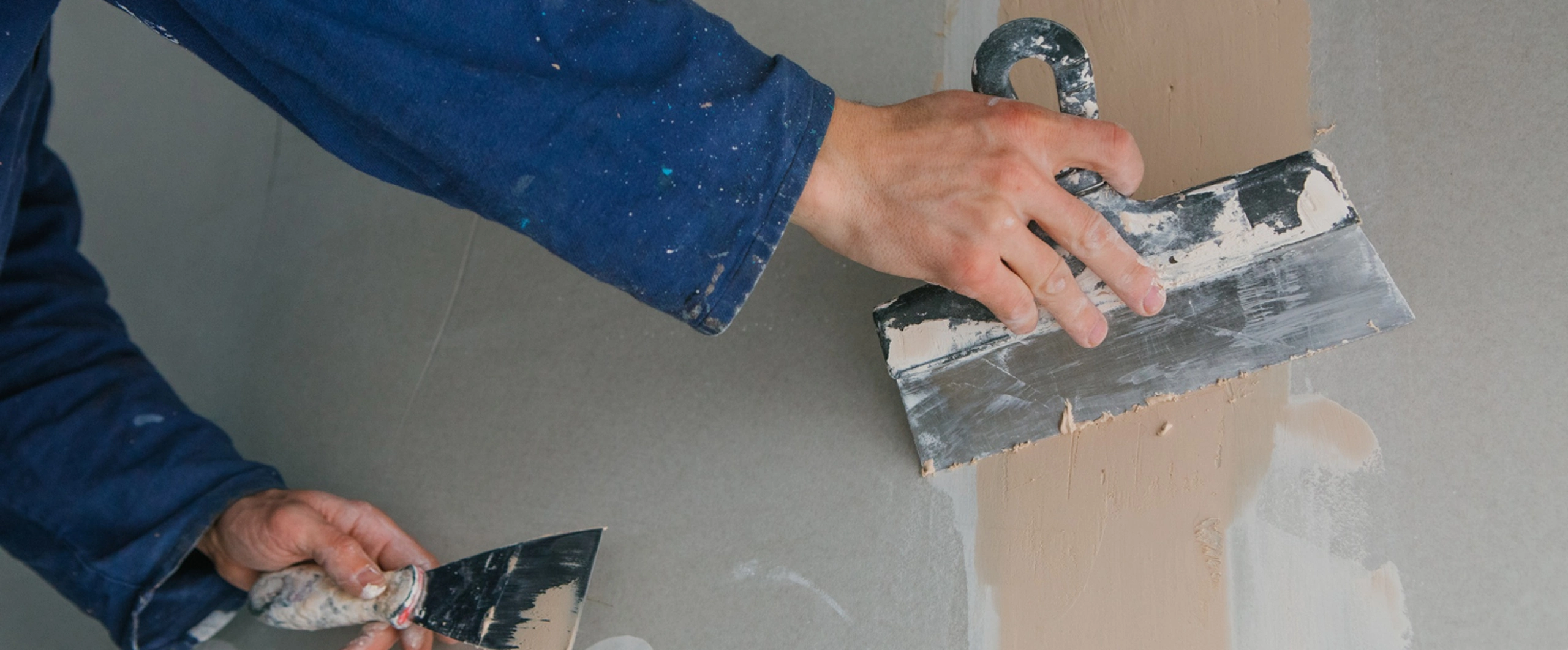
Seattle-Specific Factors That Make Professional Drywall Repair Critical
What works for a commercial drywall repair in Dallas or Phoenix doesn’t necessarily work in Seattle. The climate, the seismic environment, and the local building code create specific requirements that only a contractor with local experience can navigate reliably.
Therefore, the following reasons highlight why drywall repair for commercial buildings in Seattle requires the expertise of local contractors.
1. Seattle’s Commercial Building Code Requirements
Any commercial property maintenance in Seattle needs to operate under the 2021 Seattle Building Code (SBC), which means any building maintenance work, including drywall repair, has to maintain compliance with local code requirements.
Commercial properties in Seattle also have to comply with fire-resistant construction requirements. This includes using fire-rated walls and ceilings in many configurations, separating tenant spaces, protecting exit corridors, and enclosing mechanical rooms.
Drywall is the primary component of these rated assemblies. The fire resistance rating of a wall assembly (1-hour, 2-hour) depends on the specific product, thickness, and installation method. Substituting standard drywall in a rated assembly, even as a patch, can invalidate the rating of the entire assembly.
Professional drywall contractors know which UL-listed assemblies are required for which applications and repair them accordingly. This is not knowledge a general handyman carries.
Furthermore, Seattle’s seismic zone also means certain non-structural partitions in commercial buildings are required to meet drift-tolerant design details. While most routine drywall repairs don’t involve structural walls, a licensed contractor knows when to flag a potential compliance concern rather than simply patching over it.
2. Permit Requirements for Commercial Drywall Work
In Seattle, some building repair work doesn’t require a permit, while some does. For instance, minor repairs, like patching holes, fixing surface cracks, and replacing a damaged panel in a non-rated wall, generally do not require a permit in Seattle. Work that touches fire-rated assemblies, or any drywall work that is part of a tenant improvement (TI) that alters the building’s layout or systems, almost always requires an SDCI permit.
A local professional drywall contractor knows when to pull a permit and how to ensure the work is inspection-ready. They’re also well-versed in Seattle’s Tenant Improvement Program and the city’s construction permitting process. Working without a required permit can attract serious problems, such as stop-work orders, fines, failed resale inspections, and, in some cases, mandatory demolition and redo of unpermitted work.
A licensed and experienced professional will advise you on permit requirements before the work even begins.
3. Moisture-Resistant Material Requirements
Seattle’s climate is the most practically significant factor in drywall material selection for commercial properties. High ambient humidity, persistent rain, and the prevalence of older buildings in the city’s commercial areas mean moisture-resistant products are often the correct choice.
In commercial kitchens, bathrooms, server rooms, and spaces adjacent to exterior walls or below-grade areas, standard drywall deteriorates faster than it should and creates mould risk. Moisture-resistant products, like green board (standard moisture-resistant), purple board (mould- and moisture-resistant), and DensArmor (paperless, fibre-mat facing), are the professional-grade choices for high-humidity commercial applications.
An unlicensed handyman replaces the product with the same thing because it’s cheaper and simpler. A professional contractor selects the right product for the environment, which prevents the same repair from being needed again in 18 months. For property managers, specifying moisture-resistant board in recurring repair locations is a simple way to reduce maintenance frequency and long-term cost.
How To Choose The Right Professional Drywall Contractor For Seattle Commercial Property Owners?
Knowing why to hire a professional is the first step. Knowing how to identify the right one is the second. Here’s what to check before you sign any estimate.
1. Verify the Washington State Contractor’s License
Every contractor performing commercial work in Washington State must hold a valid L&I license. Check it before accepting a quote. Use the L&I’s online verification tool at https://secure.lni.wa.gov/verify/ to confirm the license is active, not expired, and that bonding and insurance are current. Ask for the license number directly. A professional drywall contractor will give it without hesitation.
2. Confirm They Carry Commercial General Liability and Workers’ Comp
Residential liability policies are not sufficient for commercial worksites. Commercial General Liability (CGL) protects your business if the contractor causes property damage during the job. On the other hand, Workers’ Compensation protects you from liability if a contractor’s employee is injured on your property. The absence of this policy means liability can fall to the building owner. Ask for a Certificate of Insurance (COI) naming your business as additionally insured before work begins.
3. Ask About Commercial Experience Specifically
Residential drywall work and commercial drywall work are different in scope, finish standards, code requirements, and site management. Before hiring a contractor, always ask for commercial references, specifically from property managers, facility managers, or commercial tenants. Ask questions like, “Have you worked on fire-rated assemblies? Have you done tenant improvement punch lists? Do you work in occupied buildings?”
These will give you an idea of the scope of their work, how they approach it, and the quality of the drywall repair.
4. Understand Their Scheduling Model
Before hiring a contractor, ask if they can work after hours and weekends or how much notice they need for a repair. A contractor who operates 9–5 Monday to Friday is a practical mismatch for an occupied commercial building where daytime disruption is not an option.
Also, ask how they handle emergency calls, because a weekend pipe drip that soaks a drywall panel cannot wait until Monday.
5. Get a Detailed, Written Estimate
Always get a detailed and written estimate of the work that covers the full scope of work, drywall type and finish level, materials, labour, cleanup, timeline, and total cost. Avoid verbal quotes for commercial drywall work.
Vague line items, like “drywall work – $X”, are a red flag. A professional estimate is specific enough that both parties know exactly what is and isn’t included. Flat-fee estimates eliminate the end-of-job surprises that hourly-rate contractors introduce.
6. Ask About Dust Management
Drywall cutting and sanding produce significant fine dust. In commercial settings, that dust infiltrates HVAC systems, settles on electronics and office equipment, and in retail or food service environments creates a serious operational problem.
Professional contractors use dustless sanding systems with HEPA vacuum attachments and set up containment barriers before any cutting begins. Therefore, before hiring a professional drywall contractor, ask them specifically: “What dust control measures do you use in occupied commercial buildings?” A contractor who can’t answer this clearly has not worked in occupied commercial spaces.
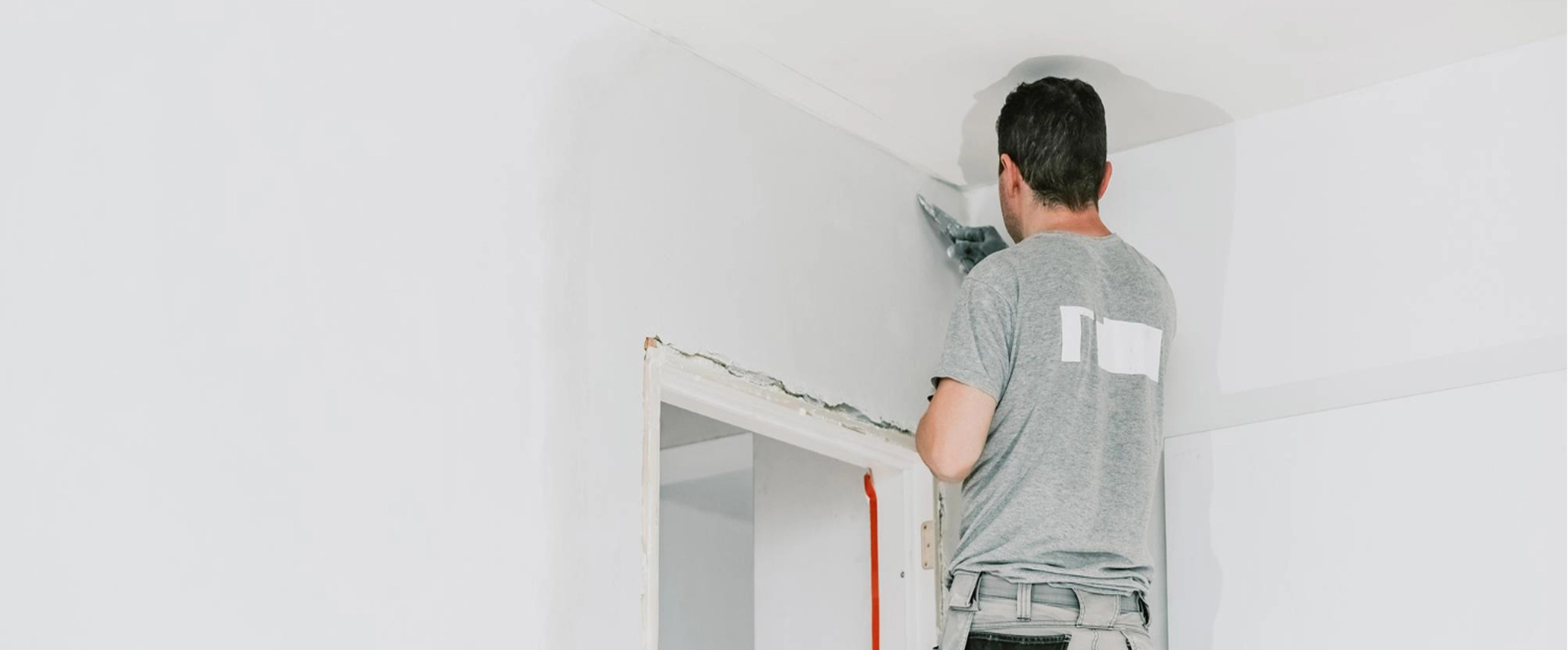
What To Expect When You Book Professional Drywall Repair For Your Seattle Business?
After you’ve decided on the right professional drywall contractor, the next step is to prepare yourself before booking a drywall repair.
Step 1: Get in Touch and Book a Site Visit
A professional contractor visits the site, assesses the damage in person, checks for underlying causes, and scopes the full repair accurately from the start. This visit prevents scope creep and mid-job surprises.
Step 2: Review and Approve a Flat-Fee Estimate
A detailed, itemised estimate arrives digitally, specifying drywall type, finish level, timeline, and total cost. You review, approve, and sign digitally. No work begins without your sign-off.
Step 3: Scheduled Repair (After Hours or Weekend If Needed)
Work is scheduled around your building’s operations. Dust containment is set up before any cutting or sanding begins. All materials arrive with the crew, without any supply-run delays.
Step 4: Repair, Texture Matching, and Cleanup
Professional drywall contractors cover the full repair sequence: cut, patch, tape, mud, dry, sand, texture, and prime. Texture matching is done to the surrounding wall. The space is left cleaner than it was found, with no dust residue and no debris. Work is documented with photos.
Step 5: Invoice on Completion
After the job is done, the invoice is sent immediately. The payment is processed to the card on file, with no 30-day invoice cycles or billing delays.
Everblue Handy’s drywall repair services cover all these steps, from online booking and site visit to commercial-level finishing and digital invoice, ensuring the work is completed without any disruption and cost-related surprises.
Conclusion
Seattle businesses face a specific combination of challenges. A wet climate, an active seismic environment, strict commercial building codes, and occupied properties that can’t be disrupted during business hours. Professional drywall contractors address all of these. The cost of getting it wrong, which includes code violations, recurring moisture damage, visible repairs in client-facing spaces, and the double cost of a redo, consistently exceeds the cost of doing it right the first time.
Therefore, in this guide, we’ve not only given reasons for choosing professional drywall contractors over regular handymen but also how to choose the right contractor and what to expect from them, so you can be prepared and well-informed about the work you’re contracting.