
Commercial shelving installation in Bellevue typically costs $800 to $8,000 or more for labor, depending on the number of units, shelving type, anchoring requirements, and site conditions. Shelving equipment is priced separately, with basic commercial units starting at about $80 per unit and larger or specialized systems costing $15,000 or more. The total project price depends on the shelving system, floor or wall substrate, existing shelving removal, access conditions, and project complexity.
For a business in Bellevue, the right shelving system does more than organize a stockroom. It affects how efficiently employees move through the space, how safely heavy inventory is stored, and how much usable capacity the facility actually has. Businesses planning a shelving project should also be aware that Bellevue requires structural design for free-standing storage racks taller than eight feet in tenant-improvement projects.
This guide covers the main types of commercial shelving, how to plan an installation, expected costs, Bellevue permit requirements, and what to look for in an installer.
Why Commercial Shelving Is Important for Businesses
Commercial shelving provides businesses with a practical way to organize inventory, supplies, equipment, documents, and merchandise without taking up unnecessary floor space. A well-planned shelving system can improve how a commercial space looks and functions while making everyday storage tasks easier.
- Maximizes available space. Vertical shelving allows businesses to use wall and ceiling height instead of relying entirely on floor-level storage.
- Improves workflow and accessibility. Storing frequently used supplies at convenient heights and arranging inventory logically makes it easier for employees to find and retrieve items.
- Keeps the business organized. Shelving provides designated storage areas for inventory, supplies, tools, and equipment. This can help prevent items from accumulating on floors, desks, counters, and other work surfaces.
- Creates a professional appearance. Organized shelving can make retail displays, stockrooms, and office storage areas look cleaner and more orderly.
- Supports safer storage. Proper shelving selection based on weight capacity, combined with suitable hardware and anchoring, helps prevent overloading and reduces the risk of unstable storage conditions.
Types of Commercial Shelving to Consider

1. Wall-mounted Shelving
Wall-mounted shelving is attached directly to a wall and can be useful when floor space is limited. It works well in offices, supply rooms, retail areas, workshops, and other commercial environments. Before installation, consider the wall construction and expected load so you can choose the right mounting hardware.
2. Freestanding Shelving
Freestanding shelving consists of independent units that stand on the floor. These systems are commonly used in stockrooms, warehouses, offices, retail spaces, and back-of-house areas. Depending on the system, units can be rearranged when a business changes its inventory or layout. However, larger or taller units may require additional stabilization or anchoring depending on their design and location.
3. Heavy-duty Shelving
Heavy-duty shelving is designed for storing heavier products, equipment, tools, containers, and bulk inventory. These systems generally have higher load capacities than standard office or retail shelving. Businesses should know the weight of the materials being stored before selecting a system. Exceeding a shelf’s rated capacity can compromise its performance and create safety concerns.
4. Adjustable Shelving
Adjustable shelving lets you change shelf heights to accommodate products or materials of different sizes. This makes it useful for businesses with varied or frequently changing inventory. This system also lets you change the storage configuration without replacing the entire shelving unit.
How to Plan a Commercial Shelving Installation in Bellevue
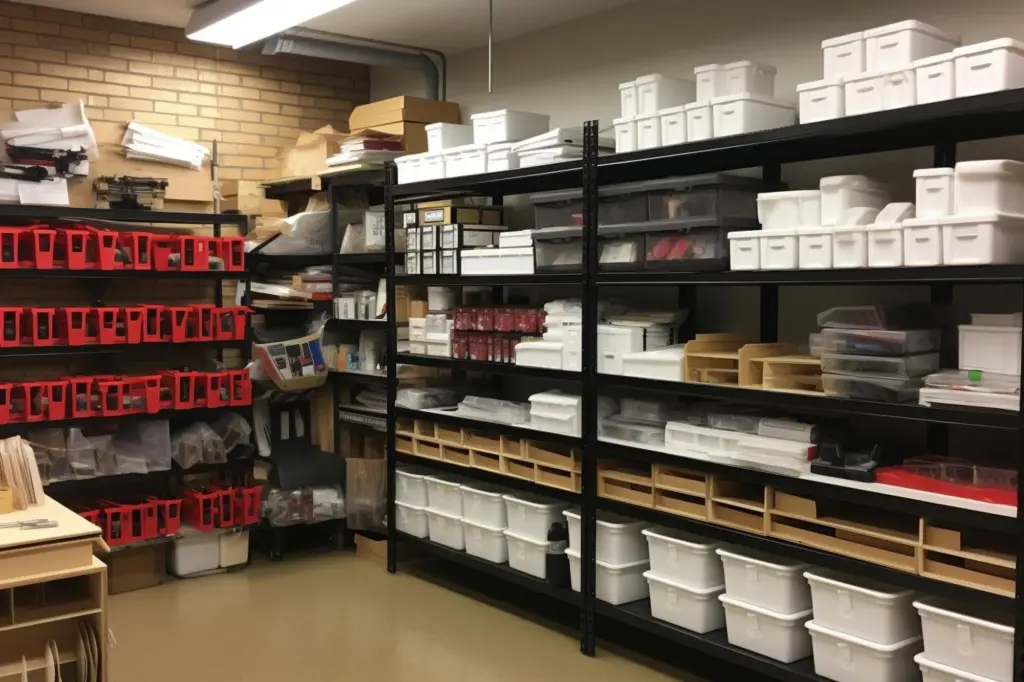
1. Assess the space
Start by measuring the area where you plan to install the shelving. Record wall lengths, floor dimensions, ceiling height, door locations, windows, columns, electrical panels, and existing fixtures. Also consider the condition and construction of the installation surface.
2. Determine storage needs
Identify what the shelving will hold. Consider the dimensions and weight of products, supplies, tools, or equipment, and how often employees need to access them. Planning around actual inventory needs can prevent wasted shelf space.
3. Choose the right shelving
Select shelving based on load capacity, dimensions, material, adjustability, and intended use. Steel, wire, rivet, and other commercial shelving systems serve different purposes. Match the shelving type to each area’s specific requirements rather than using one specification throughout the facility.
4. Plan for accessibility and safety
The shelving layout should allow employees to move comfortably through the space. For larger installations, consider how employees will retrieve heavy or bulky items and whether they will need ladders, carts, or other equipment. The installation plan should also include proper anchoring and load distribution.
How much does commercial shelving installation cost in Bellevue?
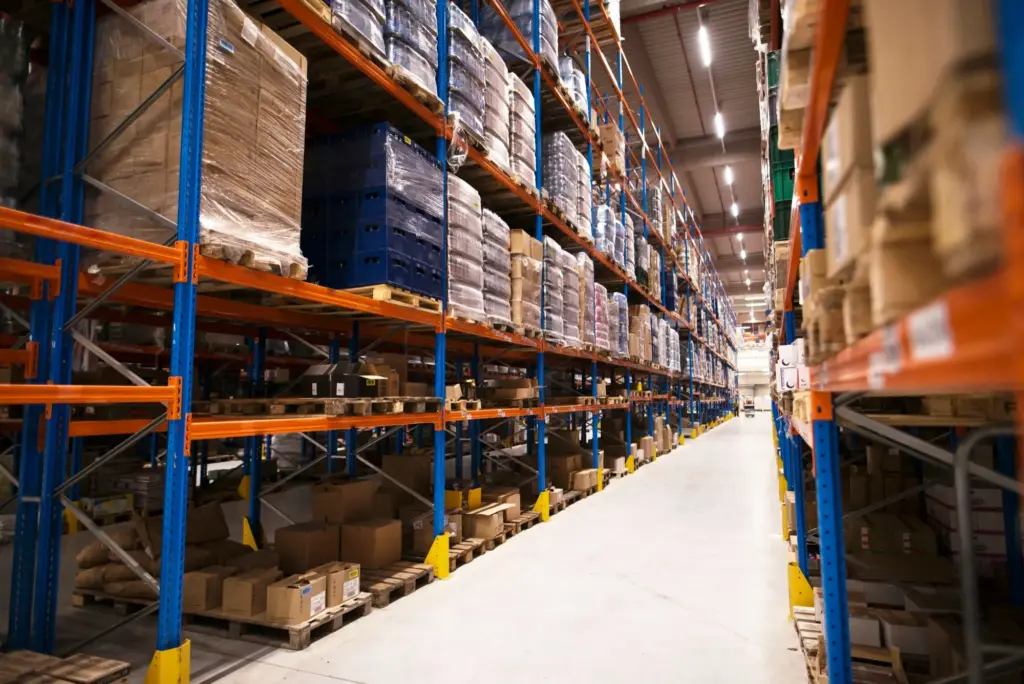
There is no single price for commercial shelving installation because projects vary significantly in size and complexity. Shelving equipment and installation labor are priced separately. Basic shelving units start at about $80 per unit, while installation labor can range from $800 to $8,000 or more. An on-site assessment is the most reliable way to determine the requirements and final project price.
| Commercial shelving project | Approximate installation cost |
| Shelving equipment | Starts at $80 per unit |
| Small office or supply-room installation | $800 to $2,500 |
| Light warehouse shelving | $2,000 to $6,000 |
| Large or complex shelving installation | $6,000 to $8,000+ |
| Small-to-medium pallet-racking installation | $8,000+ |
These are general planning ranges, not fixed Bellevue prices. Actual costs depend on the shelving system, number of bays, floor or wall substrate, anchoring requirements, access conditions, removal of existing shelving, and project complexity.
Commercial Shelving and Racking Requirements in Bellevue
Businesses should check applicable Bellevue and Washington requirements before beginning a commercial shelving or racking project. Bellevue’s structural plan requirements state that free-standing storage racks more than eight feet tall require structural design for tenant-improvement projects. The city’s commercial structural requirements also address design loads and structural connections.
Requirements may vary based on the building, occupancy type, rack height, installation method, and scope of work. Businesses should confirm the applicable permit and structural requirements before starting a major shelving or racking project.
Why Choose Everblue Handy for Commercial Shelving Installation in Bellevue
Choosing the right installer can make your commercial shelving project more efficient and hassle-free. Everblue Handy provides professional shelving installation for businesses in Bellevue, with services tailored to the size, layout, and specific storage needs of each commercial space.
Reasons to consider Everblue Handy include:
- Licensed, Bonded, and Insured: Everblue Handy states that it is licensed, bonded, and insured in Washington. Property owners can confirm its current status through the state’s Verify a Contractor service.
- Professional Installation: The company handles commercial shelving installation for warehouses, offices, retail facilities, stockrooms, and other business spaces, with attention to accurate measurements, proper alignment, and stability.
- On-Site Assessment: The team evaluates the installation area before providing a quote. This allows them to consider the floor or wall surface, shelving configuration, available space, and anchoring requirements.
- Flexible Scheduling: Everblue Handy offers after-hours and weekend commercial shelving installation, helping businesses minimize interruptions to regular operations.
- Business-Focused Service: The installation is planned around your business’s storage needs, employee movement, inventory, and available space to create a practical and organized setup.
Conclusion
Commercial shelving installation is a facility decision, not just a storage purchase. The right shelving type, anchoring method, layout, and installation approach determine how well your storage system performs and how much you spend over its service life. Before work begins, make sure the shelving specification, installation scope, anchoring requirements, and scheduling are documented.
A contractor who assesses the site before quoting, provides a written price covering the full scope, and schedules work around your operations is the most reliable way to keep the project on track.