
Commercial painting in the US typically costs $2 to $6 per square foot for interior surfaces and $2.50 to $6 per square foot for exterior surfaces. For a 5,000-square-foot commercial property, that puts interior painting at roughly $10,000 to $30,000 and exterior painting at $12,500 to $30,000. The final price depends on the property’s condition, labor requirements, access challenges, coating specifications, and whether the work needs to be scheduled around business operations.
In Seattle, wet winters mean more extensive exterior preparation and moisture-related repairs. When this pushes per-square-foot pricing to $3 to $7, a 5,000-square-foot exterior project can reach $15,000 to $35,000. In Bellevue, multi-story office buildings can add lift rentals and specialized access labor to the total.
This guide breaks down local price ranges, explains what drives cost differences between contractor quotes, and covers the hidden expenses that can inflate a commercial painting budget.
The Real Price Of Commercial Painting Per Square Foot
A 5,000-square-foot commercial property can carry a painting bill that differs by thousands of dollars from another building of the same size. Clean office walls need far less work than a warehouse with peeling coatings, damaged drywall, or hard-to-reach surfaces. This gap between building conditions and the work required is what makes commercial painting budgets difficult to predict.
As a starting point, estimate interior commercial painting at $2 to $6 per square foot, while exterior painting costs range from $2.50 to $6 per square foot. For a property with 5,000 square feet of paintable interior surface, expect a total of $10,000 to $30,000. The same paintable exterior area would cost $12,500 to $30,000. The more complex the project, the higher the costs.
Factor in your contractor’s scope of work alongside the quoted rate. Primer, surface repairs, multiple coats, lift rentals, furniture protection, and cleanup all affect your final invoice. An estimate that excludes these essentials might look cheaper initially but will leave you paying more once the project is underway. Compare itemized bids with matching scopes before committing your budget.
From Office Repaints To Warehouse Walls: How Project Type Changes The Bill
Painting a 3,000-square-foot office and coating a warehouse of the same size rarely cost the same. Your building’s function determines the finish, preparation, equipment, and labor the job requires. Understanding how project type changes commercial painting costs helps you set realistic budgets, compare quotes accurately, and avoid paying for the wrong specifications.
Office buildings: finishes and downtime
Your office repaint needs to improve the space without turning a productive workweek into a disruption. If your employees are staying on-site, contractors will need to paint in phases, move furniture between work areas, or arrange for after-hours work. In the US, standard office painting costs $1.75 to $3.50 per square foot, putting a 3,000-square-foot paintable surface at $5,250 to $10,500. Executive rooms and reception areas will increase the budget further, especially if you want smoother finishes or extensive drywall repairs. Build these requirements into the scope before comparing bids.
Retail stores: fast turnarounds
For your retail space, a delayed reopening can cost more than the painting project itself. A contractor working overnight before a product launch or seasonal promotion will have fewer working hours and less flexibility than one painting an empty store. At $2.50 to $5 per square foot, a retail property of 2,000 square feet of paintable area will need a budget of $5,000 to $10,000. Damaged walls behind shelving, bold feature colors, and extra coats can increase the numbers further. When you review the estimates, check if the proposed schedule genuinely meets your reopening date.
Warehouses: height and specialized coatings
A warehouse with tall walls and exposed structural steel needs a different budget from a conventional commercial interior. Your contractor needs to account for how crews will reach elevated surfaces and whether the existing material needs treatment before painting. Standard warehouse painting costs $1.50 to $3.50 per square foot. For a property with 10,000 square feet of paintable wall area, expect approximately $15,000 to $35,000. Rust removal, industrial protective coatings, and lift rentals can raise the total substantially.
For more on the differences between commercial and warehouse coating work, see: What Is the Difference Between Commercial and Industrial Painting?
Healthcare facilities: durable, compliant finishes
In a healthcare setting, repainting is also about maintaining a suitable environment for patients and staff. Your choice of coating needs to reflect cleaning frequency, the room’s function, and the facility’s applicable requirements. Projects with more demanding specifications usually cost around $3 to $7 per square foot, putting 2,500 square feet of paintable surface at approximately $7,500 to $17,500. The budget can rise when work needs to be completed in carefully controlled phases to keep treatment areas operational. Confirm product suitability and site procedures before approving a quote.
Apartment complexes: common areas and turnover
When you manage multiple rental units, painting costs affect both maintenance budgets and how quickly you can prepare an apartment for its next tenant. Standard unit-turn painting runs at $1.25 to $2.75 per square foot, making 800 square feet of paintable surface cost $1,000 to $2,200. Consistent layouts and standard colors help crews move efficiently between vacant units. However, damaged drywall, tenant-related staining, and tight leasing deadlines can increase the cost per unit. Price corridors, stairwells, and entrance areas separately, as these shared spaces experience heavier traffic and may need more durable finishes.
Commercial exteriors: repairs and access costs
The condition of your building’s exterior determines whether painting remains a straightforward maintenance expense or becomes a restoration project. In the US, commercial exterior painting costs $2.50 to $6 per square foot, putting 5,000 square feet of paintable surface at approximately $12,500 to $30,000. Sound siding might only need cleaning and priming, while deteriorated wood or failing coatings will require more extensive preparation. In wet climates like Seattle, application conditions and drying time affect scheduling. Confirm your contractor accounts for preparation and weather-related constraints in the proposed timeline.
Painting a 3,000-square-foot office and coating a warehouse of the same size rarely cost the same. Your building’s function determines the finish, preparation, equipment, and labor the job requires. Understanding how project type changes commercial painting costs helps you set realistic budgets, compare quotes accurately, and avoid paying for the wrong specifications.
Why Commercial Painting Quotes Run Higher In The US
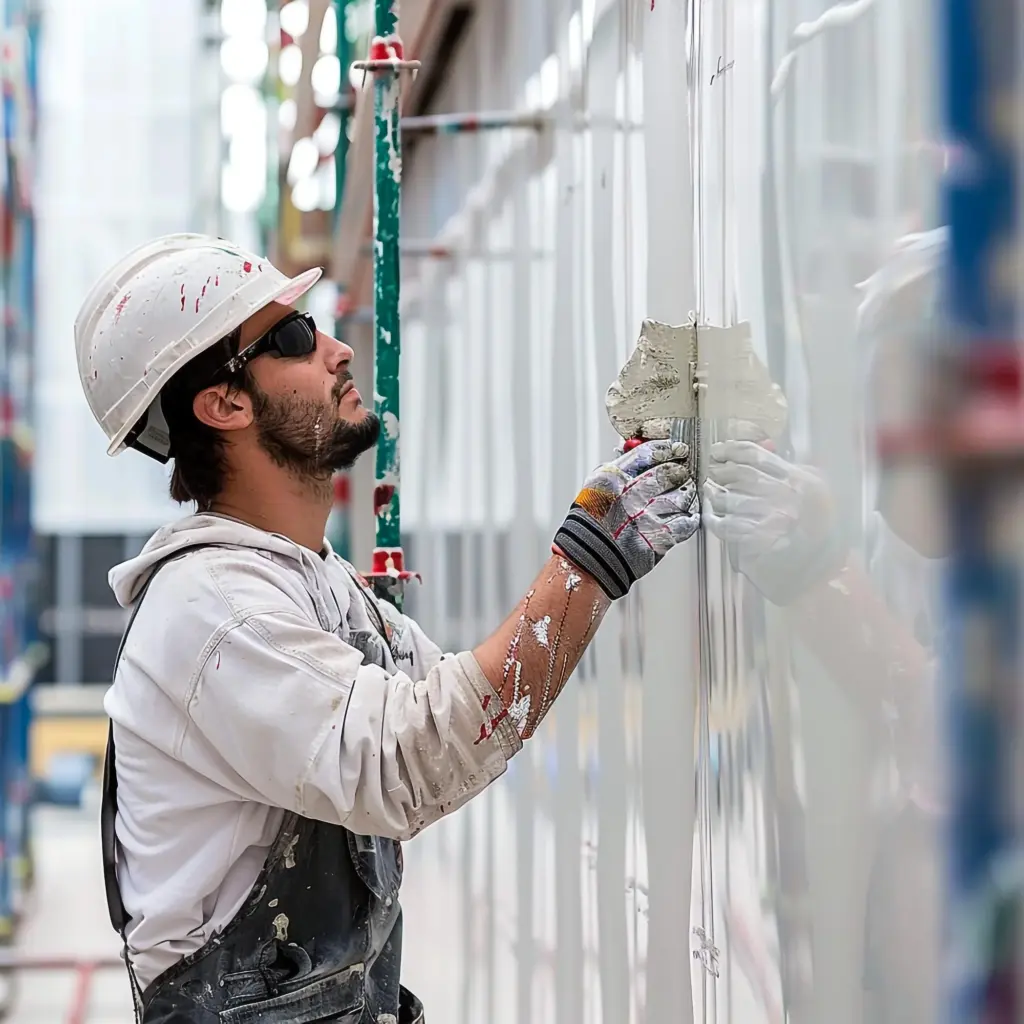
A $10,000 commercial painting quote and a $16,000 quote for the same building do not automatically mean one contractor is overcharging you. The difference comes down to factors including:
- Labor
- Surface preparation
- Building access
- Demands of keeping your business operational during the work
In the US, commercial painting costs around $2 to $6 per square foot of paintable surface. Even a small pricing difference adds up quickly: for 5,000 square feet, a $1 per square foot increase adds $5,000 to your budget.
Labor and scheduling can push costs further. Commercial painting labor commonly runs around $50 to $100 per hour for complex or higher-cost projects. If your office or retail space needs overnight work to avoid disrupting customers and employees, your contractor may charge more for less flexible working hours and an additional crew.
Poor surface conditions create additional work beyond painting. Scraping failed coatings, repairing drywall, caulking gaps, treating rust, and applying primer all add labor and materials. A contractor who quotes only for applying finish coats may appear cheaper but leave essential repairs out of the estimate.
Height and specialist coatings add further expense. Lift or scaffolding rental can cost approximately $500 to $1,500+ per day, depending on the equipment and site. Specialty coatings also cost more than standard paint. Commercial-grade exterior products usually range from roughly $25 to $150 per gallon, depending on the formulation.
| Cost driver | Typical US cost | Why the quote increases | Example budget impact |
| Commercial painting labor | $50 to $100 per hour for complex or higher-cost projects | Large crews, detailed work, and restricted working hours increase labor expenses. | 40 labor hours at $75/hour = $3,000 |
| Surface preparation and repairs | Varies by damage and scope | Scraping, drywall repairs, rust treatment, caulking, and priming add work before painting begins. | An additional 500 sq ft at $1 to $3 extra per sq ft adds $500 to $1,500 |
| Lifts and scaffolding | Approximately $500 to $1,500+ per day | High ceilings, exterior elevations, and hard-to-reach areas require access equipment and setup time. | Three rental days add $1,500 to $4,500+ |
| Specialty coatings | Approximately $25 to $150 per gallon, depending on formulation | Industrial, weather-resistant, and other performance coatings cost more than standard paint. | 20 gallons at $75 each = $1,500 in paint alone |
Interior Vs. Exterior Painting: Where Your Money Goes
Your commercial painting budget will depend heavily on whether crews work inside the building or tackle the exterior. Interior painting usually costs around $2 to $6 per square foot of paintable surface, while exterior projects range from $2.50 to $6 per square foot. The difference comes from preparation, access, coating requirements, and the conditions crews face on site.
Interior painting costs concentrate on surface preparation and business disruption. Office walls might need drywall repairs, stain-blocking primer, or multiple coats to achieve a consistent finish. A retail space will need furniture protection, careful scheduling, and sometimes overnight labor. For 4,000 square feet of paintable interior surface, a $3 per square foot estimate amounts to $12,000.
Exterior painting brings greater exposure to access and weather-related expenses. Contractors also need to assess:
- Failing paint
- Moisture damage
- Caulking
- Siding condition
- The need for pressure washing or specialized primers
Multi-story buildings often need lifts or scaffolding, adding equipment rental and setup expenses. Weather affects application conditions and drying schedules, potentially extending both the timeline and budget. Painting 4,000 square feet of exterior surface at $4.50 per square foot totals $18,000 before any excluded repairs or additional charges.
| Comparison factor | Interior commercial painting | Exterior commercial painting |
| Average cost | $2 to $6 per sq ft | $2.50 to $6 per sq ft |
| Surface preparation | Drywall patching, sanding, stain removal, and priming | Pressure washing, scraping, caulking, and repairing damaged siding |
| Labor costs | Higher for occupied buildings, phased work, and overnight schedules | Higher for elevated surfaces, difficult access, and weather-related delays |
| Equipment costs | Usually lower: ladders, floor protection, and occasional lifts | Often higher due to scaffolding, boom lifts, and other access equipment |
| Paint requirements | Washable, scuff-resistant, low-odor, or specialty interior coatings | Weather-resistant, UV-resistant, and corrosion-resistant exterior coatings |
| Example project cost | 4,000 sq ft x $3 = $12,000 | 4,000 sq ft x $4.50 = $18,000 |
| Common additional charges | Furniture moving, drywall restoration, extra coats, and after-hours labor | Lift rentals, extensive repairs, difficult access, and additional surface treatments |
| Main budget risk | Disruption to employees, customers, or daily operations | Hidden surface damage, failing coatings, and weather-related schedule changes |
| How to control costs | Prepare the site, consolidate repairs, and schedule work around business hours. | Address surface damage early, confirm equipment needs, and specify suitable exterior coatings. |
Beyond The Paint Can: Labor, Repairs, Equipment, And Other Charges
Your commercial painting quote covers far more than paint and application. Labor hours, damaged surfaces, access equipment, specialty coatings, and site-specific safety requirements can add thousands of dollars to your project. Understanding these charges before signing a contract helps you compare estimates accurately, identify hidden expenses, and keep your painting budget under control.
1. Labor Rates, Crew Size, and After-Hours Work
Labor is one of the largest expenses in a commercial painting estimate, especially when your project involves occupied premises or tight deadlines. In the US, labor rates range between 450 and $100 per hour for complex and higher-cost projects. A four-person crew working 8 hours at a rate of $60 per painter-hour represents $1.92K in labor alone. Night shifts, weekend work, phased painting, and restricted access can increase total labor hours and the final bill.
2. Surface Preparation, Drywall Repairs, and Damage Control
Fresh paint will never conceal underlying damage, and inadequate preparation can lead to premature peeling or an uneven finish. Your contractor will then have to scrape loose paint, sand rough patches, repair drywall, remove mildew, or treat rust before applying primer. Minor patching will add only a few hundred dollars, while extensive repairs can add thousands, depending on the affected area and labor required. So, make sure to ask for preparation and repair costs as separate line items so that you can distinguish necessary restoration from routine painting work.
3. Lifts, Scaffolding, and Hard-to-Reach Areas
High ceilings, warehouse walls, stairwells, and multi-story exteriors require more than standard ladders. Contractors often have to rent scissor lifts, boom lifts, or scaffolding to reach elevated surfaces safely. Equipment rental can cost approximately $200–$1K+ per day, depending on equipment type, capacity, and rental market. Delivery, setup, operator requirements, and rental duration can increase the expense further. That’s why you should confirm who pays for equipment and whether the estimate includes transportation, installation, and any additional safety arrangements.
4. Primer, Specialty Coatings, and Additional Paint Coats
Your paint specification directly affects material costs and application time. Standard commercial paint generally costs less than coatings designed for chemical resistance, frequent cleaning, corrosion protection, or demanding exterior exposure. Commercial paint prices vary widely, but specialty products can cost $50–$150 or more per gallon. Dark-to-light color changes, porous surfaces, and poor coverage will need extra coats. Before approving a quote, confirm the coating specification, primer requirements, number of finish coats, and whether additional material is included in the stated price.
5. Permits, Lead-Safe Work, and Site Protection
Certain commercial projects require additional safety procedures, particularly when older painted surfaces contain lead. In US buildings constructed before 1978, applicable renovation, repair, and painting work can trigger EPA lead-safe requirements. Certified contractors, containment, specialized cleanup, and waste handling will then increase project costs automatically. Local rules and project scope determine whether permits or additional compliance measures apply. Your estimate, therefore, should identify these requirements rather than treating them as unexpected extras.
| Additional cost | Typical US cost | What drives the expense | Example budget impact |
| Labor and after-hours work | $50 to $100 per hour for complex or higher-cost projects | Larger crews, overnight shifts, weekend schedules, and restricted working hours | 40 labor hours at $60/hour = $2,400 |
| Surface preparation and repairs | Varies by damage and repair scope | Scraping, drywall patching, sanding, rust treatment, and caulking | 500 sq ft requiring $2 extra per sq ft adds $1,000 |
| Lifts and scaffolding | Approximately $200 to $1,000+ per day, depending on equipment | High ceilings, multi-story exteriors, difficult access, and setup requirements | Three rental days at $500/day = $1,500 |
| Specialty paint and coatings | Approximately $50 to $150+ per gallon for some specialty products | Chemical resistance, corrosion protection, frequent cleaning, and weather exposure | 20 gallons at $75 each = $1,500 in paint alone |
| Lead-safe procedures | Project-specific; requires a contractor assessment | Older painted surfaces, containment, certified work practices, and regulated waste handling | Additional labor, containment materials, and cleanup may increase the quote |
| Site protection and cleanup | Depends on building size and project scope | Furniture covering, floor protection, masking, debris removal, and final cleaning | Confirm whether these tasks are included or separately billed |
| Permits and compliance | Depends on jurisdiction and project requirements | Local rules, building conditions, and the nature of the work | Request itemized permit and compliance charges before approval |
How to compare commercial painting quotes and spot hidden costs
A $15,000 commercial painting quote may look expensive beside a $10,000 bid, but the lower price does not always mean better value. A quote can also look affordable until unexpected repairs, extra coats, weather delays, or excluded services inflate the final invoice. Before committing your budget, learn how to compare what each contractor includes and identify the hidden expenses that turn a reasonable estimate into a cost overrun.
Compare the scope of work, not just the total price
A $12,000 quote can cover complete surface preparation, two finish coats, and cleanup, while a $9,000 bid can exclude repairs or difficult areas. Compare the paintable square footage, rooms or elevations included, preparation requirements, and finishing standards line by line. Matching scopes helps you identify genuine savings rather than costly omissions.
Check paint brands, coating specifications, and number of coats
Two contractors can price the same building differently because they specify different products. One may include standard interior paint, while another chooses a washable, scuff-resistant coating for high-traffic areas. Check the brand, product line, primer, number of coats, and finish. A cheaper quote may deliver a less durable result.
Separate labor, materials, repairs, and equipment charges
Request an itemized estimate showing labor, paint, preparation, repairs, lifts, scaffolding, and cleanup separately. A $1,500 equipment allowance materially changes the comparison when another contractor excludes access equipment entirely. Clear breakdowns reveal where costs differ and help you evaluate whether each contractor has priced the full project realistically.
Review exclusions and payment terms
Look beyond the headline price for exclusions covering drywall damage, extra coats, furniture moving, disposal, or after-hours work. A low quote may exclude these items, and once work starts, the omissions become change orders that increase your approved budget. For example, three additional tasks costing $600 each add $1,800 to the project. Review the deposit, progress payments, final payment conditions, and cancellation terms. Require written approval before the contractor undertakes work outside the agreed scope.
Watch for hidden costs that appear after work begins
Your contractor might uncover rotted wood, moisture damage, cracked drywall, or corrosion once old paint is removed. Porous walls, dramatic color changes, or uneven coverage can require extra coats and materials your original estimate did not include. For exterior work, rain or unsuitable temperatures can postpone application and extend equipment rentals. If a lift costs $500 daily, three additional rental days add $1,500 before other expenses.
Painting around employees, customers, or tenants often requires phased work, restricted access, or overnight shifts. These arrangements increase labor hours and may interrupt revenue-generating activities. Request a written process for documenting concealed damage, pricing repairs, and obtaining your approval before additional work begins. Confirm how weather delays and scheduling changes affect deadlines, rental charges, and payment terms.
Verify insurance, licensing, references, and warranty coverage
A low bid offers little value if the contractor lacks appropriate insurance or cannot demonstrate relevant commercial experience. Verify applicable licensing requirements, general liability coverage, and workers’ compensation protection. In Washington, you can confirm a contractor’s license status through the state’s Verify a Contractor service. Request references for comparable properties and review the written warranty.
A painting warranty does not necessarily cover every defect. Contracts may exclude moisture-related peeling, structural movement, neglected maintenance, or damage caused by unsuitable surfaces. Compare warranty duration, coverage, exclusions, and maintenance recommendations alongside the initial price.
Calculate long-term value instead of choosing the lowest bid
Your cheapest quote may become more expensive if poor preparation causes peeling or a low-durability coating requires earlier repainting. A cheaper coating in high-traffic areas may also need refreshing sooner. Compare the initial price with expected maintenance, disruption, and repainting frequency. For a commercial property, paying more for appropriate coatings and thorough preparation can reduce lifecycle costs and protect your operating budget.
Conclusion
Commercial painting costs come down to more than square footage and paint prices. Your building’s condition, labor requirements, access challenges, and coating specifications determine what you ultimately pay. Before approving a quote, compare itemized costs, confirm exclusions, and assess long-term durability rather than choosing the lowest bid. A well-scoped project protects your budget, limits unexpected expenses, and reduces premature repainting.