

Finding an office maintenance company in Seattle is straightforward. Finding one that shows up consistently, works outside your operating hours, and handles problems without needing to be chased is considerably harder. For Seattle businesses dealing with wet-weather wear, high-rise building protocols, and occupied office spaces that cannot go offline for maintenance, that gap between a listed provider and a reliable one has a real operational cost
For Seattle businesses, where rain and moisture add another layer of upkeep, these gaps soon take the form of operational bottlenecks. Besides, when you are looking for reliable office maintenance services in Seattle, the challenge is not finding options but finding a provider that shows up consistently and works around your schedule.
This guide will explore how you can choose the best company for office maintenance in Seattle. Our explanation goes beyond the key factors to evaluate, also highlighting their importance, the red flags to watch out for, cost factors, and other key details you should know.
Why Is Hiring An Office Maintenance Company Important In Seattle?
For office maintenance in Seattle, the decision to outsource office maintenance ultimately comes down to three crucial parameters: resources, coverage, and consistency. An in-house team with dedicated facilities staff does sound practical. But a specialized company provides broader support without adding multiple full-time roles.
To help you understand, we have provided the reasons that make hiring an office maintenance company a valuable business decision in Seattle.
- Lower staffing overhead: Hiring separate employees for cleaning, general maintenance, and facilities support often costs more than outsourcing all these to a single provider.
- Broader service coverage: A maintenance company can handle multiple requirements through a single team or coordinate specialist vendors when plumbing, electrical, HVAC, or other work is needed.
- Better coverage for Seattle weather: Wet seasons can increase the need for entrance cleaning, floor care, moisture control, and related upkeep without requiring additional permanent staffing.
- Easier staff replacement: If an in-house employee is absent, routine maintenance gets disrupted. Professional service providers can arrange a replacement in such cases.
- Flexible service levels: You can adjust cleaning and maintenance frequency based on your office size, occupancy, and changing requirements rather than maintaining a fixed in-house workforce.
- Less administrative work: The contractor handles recruitment, scheduling, training, supplies, and day-to-day supervision, thereby minimizing the management burden on your employees.
What Should You Look For In An Office Maintenance Company In Seattle?
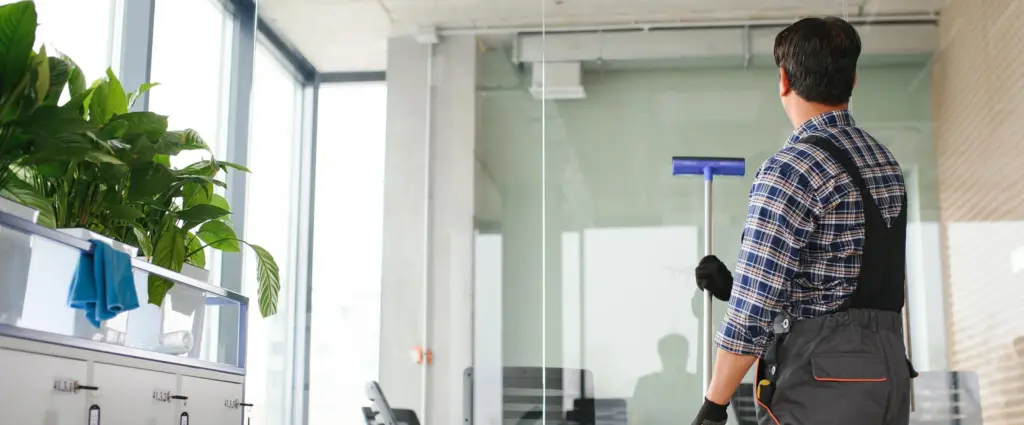
Before hiring an office maintenance company in Seattle, you must evaluate the credibility and efficacy of any office maintenance company before signing a contract.
1.Verify Their Washington Licensing and Insurance
If the office maintenance company offers repair or construction-related services, make sure to verify its Washington State Department of Labor & Industries (L&I) registration. Not only do construction contractors need to register themselves, but they should also meet bonding and liability insurance requirements as stated by the Washington government.
For office-related services, verify that the company adheres to the state’s policies and regulations for property-service contractors. Request a current Certificate of Insurance (COI) to confirm that workers’ compensation coverage is valid and active. This will protect you from any unexpected liabilities in case there’s an accident involving the hired workers within your office premises. Instead of solely relying on the company’s website, check L&I’s verification records for registration status and any compliance issues reported.
2. Check Their Track Record With Seattle Offices
The company’s commercial office maintenance experience must match the type of office you operate. Let’s say you have hired a provider acquainted with maintaining a small suburban workspace. So, it’s likely that they won’t be equipped enough to work at your multi-floor Downtown Seattle office with controlled access, shared facilities, and strict building-management requirements.
The key here is to look for those who have dealt with commercial clients based in Seattle and with office types and sizes comparable to yours. This can include portfolios referencing South Lake Union, Downtown, Pioneer Square, and other dense commercial areas. In addition, you must also check if the company handles recurring maintenance or only one-time repair calls.
3. Look for Proven Moisture and Rain-Related Maintenance Expertise
Seattle’s wet climate makes moisture control a practical maintenance requirement. Rainwater entering through busy office entrances can leave carpets, mats, flooring, and thresholds repeatedly wet. On the other hand, leaks around windows, roofs, plumbing, or other building systems can create more serious problems, like mold growth, temperature imbalance, and many more.
A reliable office maintenance provider should identify these issues during routine visits and must address them before they cause flooring damage, mold, odors, or slip hazards. In other words, the service should cover more than just mopping visible water. It should include appropriate drying, moisture-related inspections, and escalation when water appears to be coming from inside the building.
4. Confirm They Can Work Outside Regular Office Hours
Office maintenance cannot always happen between 9 and 5. Cleaning, floor care, repairs, and other disruptive work should happen before employees arrive, after they leave, or during weekends. This becomes more important for occupied Seattle buildings where multiple tenants share elevators, loading areas, security systems, and common facilities.
A credible commercial office maintenance provider in Seattle should offer defined after-hours schedules rather than simply claiming to be flexible. So, always check whether evening and weekend work carries additional charges or if the same crew can consistently work during those periods. In addition, the company should also be able to coordinate access with building security and property management without relying on your office staff every day.
5. Choose a Provider Familiar With Seattle’s Multi-Tenant and High-Rise Buildings
In a high-rise or multi-tenant property, maintenance crews should follow building security rules, use designated freight elevators, coordinate loading-dock access, and work around other tenants. They should also understand the difference between tenant responsibilities and building regulations. For example, a problem involving the shared HVAC system, plumbing, or electrical circuits might need approvals from the building engineer or property manager.
So, you must choose a provider that already has a network within these structures. Familiarity with building-management procedures will help reduce delays and prevent your office team from becoming the middleman between multiple vendors.
6. Ask How They Handle Urgent Facility and Water-Related Problems
A maintenance contract must cover more than scheduled cleaning and routine repairs. Water leaks, plumbing failures, HVAC problems, damaged doors, electrical issues, and other types of facility problems need immediate attention. The office maintenance service provider should have a defined emergency response process. It must include clear guidelines for:
- Who will receive urgent requests?
- How quickly can someone respond?
- What happens when specialist work is needed?
Plumbing, electrical, HVAC, and other regulated services may need qualified contractors. That’s why Washington L&I maintains separate requirements for several specialty trades. You should never treat a general maintenance provider as a substitute for a licensed specialist when plumbing, electrical, or HVAC work is involved.
7. Review Exactly What Their Service Package and Pricing Cover
Maintenance quotes are difficult to compare when each provider includes different services. A proper proposal should state how often the office will be serviced, which areas are covered, what supplies are included, which minor repairs are included, and what counts as additional work. In addition, it should also explain emergency call-out charges, after-hours rates, specialist contractor costs, and cancellation terms.
This will prevent a low monthly quote from becoming expensive through add-on charges. The key here is to compare providers using the same scope of work. If one company includes routine floor care, consumables, and minor repairs while another one charges separately for each, you shouldn’t blindly follow the quotes provided.
8. Make Sure You Have One Dedicated Contact and Clear Service Records
Office maintenance becomes much easier to manage when one person is responsible for the account. A dedicated service provider should coordinate scheduling, service requests, estimates, follow-ups, and communication with building management. In addition, they should also keep appropriate maintenance records. Completed visits must be documented with the date, work performed, problems identified, and the follow-up approaches. Good documentation creates accountability and will help you assess the company’s credibility on pen and paper.
To learn more about how to prepare for commercial building maintenance, read this blog: “The Commercial Building Maintenance Checklist for Seattle Property Managers”.
What Are The Red Flags To Keep An Eye For?
Choosing the wrong commercial building maintenance provider in Seattle means unnecessary monetary losses, increased employee risks, and worsening property health. So, when you plan to sign the contract, be aware of the red flags mentioned below.
- A company that cannot provide current Washington L&I registration and insurance documents should never be trusted with ongoing maintenance work.
- A provider with little experience in maintaining Seattle offices might struggle with local building access, property-management procedures, or commercial service expectations.
- If the company has no clear process for rain-related moisture, wet flooring, leaks, or water intrusion, the team won’t be equipped to handle Seattle’s weather.
- Be cautious when 24/7 or emergency support comes without defined response times, escalation procedures, or after-hours service terms.
- Limited experience with Seattle high-rises and multi-tenant buildings can create problems with security, freight elevators, loading access, and building coordination.
- Avoid providers offering vague or unusually low quotes without clearly stating what routine maintenance, supplies, repairs, and emergency services are included.
What Questions Should You Ask When Hiring An Office Maintenance Company In Seattle?
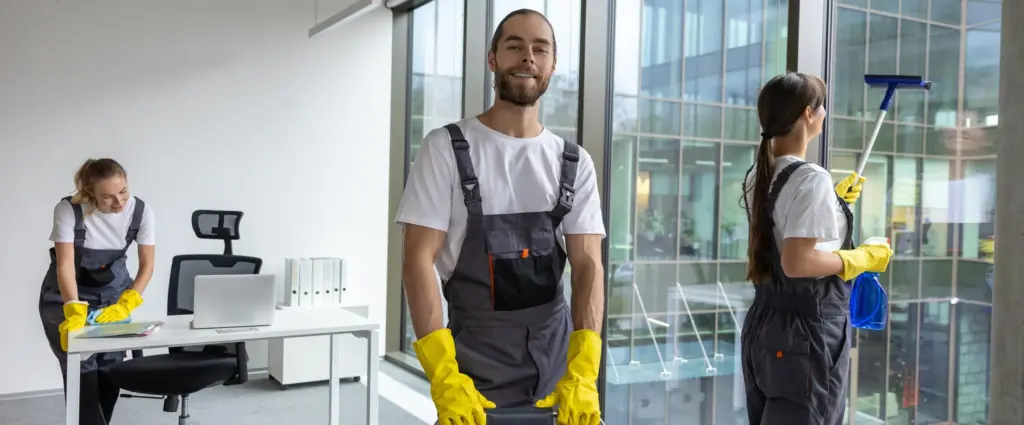
Use these questions to compare whether the office maintenance service provider will be the best fit for your business needs in different aspects or not.
1. How do you handle quality checks across recurring service visits?
This question tells you who checks the work, how often it is validated, and what happens when standards are missed or overlooked. You can rely on the answer to judge whether the company has an internal quality-control system or expects you to identify and report the issues yourself.
2. How do you handle complaints or service-quality issues once the contract begins?
With this, you can know how difficult it will be to get a commercial property maintenance problem resolved. You will get clear insights about who will handle complaints, the escalation matrix to be followed, and whether the remediation approach is properly documented or not. In this way, you can compare office maintenance companies based on post-hire accountability.
3. Can the maintenance plan be customized for different areas of our office?
This will tell you if the office maintenance service provider can tailor their approach to your office building or not. So it will become easier for you to determine whether high-use areas will receive more attention and whether you can change the maintenance plans as per your business needs.
4. How do you manage consumables such as cleaning products, paper supplies, and restroom essentials?
This question addresses how the maintenance company will keep your office consistently stocked and operational. You can determine whether routine supplies are monitored and replenished as part of the service. Also, you will know how the experts handle shortages and if they use suitable commercial-grade products for different office areas.
5. Will the same maintenance crew regularly service our office, or does staffing change frequently?
This helps you assess how consistently your office will be maintained. A regular crew is more likely to know the cleaning routines, high-traffic areas, frequently used facilities, and recurring maintenance needs of your workplace.
6. Can you provide a trial period before we commit to a long-term contract?
A trial period will let you assess the actual standard of maintenance that the company offers before you make a long-term commitment. This makes it easier for you to evaluate cleaning consistency, restroom upkeep, floor care, waste handling, supply replenishment, minor repairs, and so on.
How Much Do Office Maintenance Services Cost in Seattle?
For Seattle, recurring office maintenance costs are around $60 to $75 per hour for janitorial and day-portering services. However, when it comes to broad-scale services like everyday office cleaning coupled with weekend-based carpet cleaning, costs will vary according to the office size, service frequency, and the scope involved.
| Service | Typical Seattle Cost | Basis | What It Covers |
| Drywall repair and patching | $150–$350 per repair area | Per job | Holes, cracks, water damage, finish to paint-ready standard |
| Interior painting | $400–$1,000 per room | Per room | Walls, ceilings, trim, commercial-grade finishes |
| Door repair and hardware | $150–$400 per door | Per unit | Adjustment, alignment, hinge, and closer replacement |
| Lock installation and re-keying | $100–$300 per lock | Per unit | Deadbolts, re-keying, access hardware |
| Shelving installation | $800–$2,500 for 4–6 bays | Per installation | Commercial shelving, supply room racking, OSHA anchoring |
| Office punch list | $500–$1,500 per visit | Per scope | Multi-item repair list completed in a single visit |
| Emergency repair call-out | $100–$200 per hour | Hourly minimum | Urgent drywall, door, or fixture repairs after hours |
Some of the primary factors that affect the office maintenance service costs in Seattle are:
- Office size and layout: A 10,000-square-foot open office will require less labor per square foot than a similarly sized space divided into numerous rooms, restrooms, cafeteria, and meeting zones
- Service frequency: Daily cleaning will cost more than two or three weekly visits, but regular contracts can reduce the effective expense per visit
- Seattle building type and access: High-rise and multi-tenant buildings require additional time for security check-ins, freight elevators, parking, loading access, and coordination with property management
- Scope of maintenance: Basic janitorial work costs less than a contract covering floor care, carpet cleaning, restocking, minor repairs, waste management, and preventive maintenance
- After-hours and emergency requirements: Evening, weekend, or emergency work can increase labor costs, especially when technicians or specialist trades have to respond outside normal working hours
How Does Everblue Handy Stand Out For Office Maintenance Services In Seattle?
Whether you need an office handyman in Seattle for a single repair or an ongoing maintenance partner across your commercial property, Everblue handles the full range of licensed commercial repair work.
1. After-hours and weekend services
Everblue Handy offers after-hours and weekend commercial office repair services. This means a business can schedule services outside normal operating hours, reducing interruptions to employees, meetings, and daily activities.
2. Licensed, bonded, and insured
Being a Washington L&I-registered company, Everblue Handy has the appropriate license and insurance necessary to operate within Seattle’s commercial zone. This gives you the assurance that every commercial repair will be handled by a credible company.
3. Multiple maintenance services under one roof
Everblue handles commercial drywall repair, interior painting, door repair and hardware replacement, lock installation and re-keying, commercial shelving installation, office repairs, and pre-handover punch lists, all under one licensed crew, one flat-fee quote, and one invoice. If you have been looking for an office handyman in Seattle who can manage a repair list without subcontracting each item to a different vendor, Everblue is the right partner.
4. Itemized, flat-fee estimates
The company provides written, itemized estimates before the maintenance work begins, where you can see the planned work and associated costs upfront, ensuring no hidden charges will be added to the bill later on.
5. Seattle and Puget Sound coverage
Working for 8+ years now, Everblue Handy has served numerous commercial clients across Seattle and Puget Sound. Its regional experience signals familiarity with local commercial properties and the exact business requirements for maintaining public workplaces.
Conclusion
In short, choosing the right commercial office maintenance provider in Seattle is about more than comparing service charges. You will have to look for a provider that understands local commercial buildings, handles Seattle’s wet-weather maintenance needs, offers flexible scheduling, and responds quickly when problems arise. In addition, check credentials, service scope, emergency support, and contract terms before signing. The right partner should reduce your maintenance workload, ensuring your office stays clean, functional, and ready for employees and clients.